


Author: Venice Honda
Welcome to your locally tailored maintenance guide, designed specifically for drivers in Venice and surrounding areas like North Port, Sarasota, Port Charlotte, and Englewood. At Venice Honda, we’ve built our reputation over decades, understanding how local roads and our unique coastal climate impact your vehicle’s performance. This guide will help you navigate your Honda’s recommended service schedule, ensuring your car is ready for everything from your daily commutes along Venice Avenue to weekend getaways at Caspersen Beach.
With our extensive experience in servicing Honda vehicles, we’re here to provide insights that reflect the driving conditions you encounter every day. The combination of our knowledge and the specific demands of our beautiful region means you can trust this guide to keep your Honda running smoothly for years to come.
Why Should You Follow a Maintenance Schedule for Your Honda?
Following a maintenance schedule is essential for safeguarding your investment and ensuring your Honda delivers reliable performance, particularly for drivers in Venice, Florida. The local climate, characterized by intense heat and humidity, places extra stress on fluids, belts, and filters. For example, during the sweltering summer months, engine oil can break down more quickly, while the sticky pollen in spring can clog air filters, impacting air quality and engine efficiency. Regular service helps combat these challenges, keeping your vehicle in top shape for your daily commutes along Venice Avenue or family outings to Venice Beach.
Adhering to the recommended maintenance schedule not only enhances your Honda’s performance and fuel efficiency but also promotes safety and peace of mind. A well-maintained vehicle can handle the demands of local driving conditions, whether you’re making quick trips to the farmers market or longer journeys to Oscar Scherer State Park. Think of it this way: every 5,000 miles you invest in maintenance can prevent costly repairs down the line, ensuring your Honda operates as its engineers intended. For further insights into vehicle care, resources like Edmunds provide valuable information.
How Does Honda’s Service Reminder System Work?
Many Honda vehicles provide notifications for when maintenance is due, which can depend on the specific model and year. Some vehicles utilize a straightforward time/mileage counter, while others may adjust reminders based on how the vehicle is used. This approach helps ensure that you’re reminded to check for necessary service based on your driving habits.
Typically, when it’s time for maintenance, you might see a dashboard message, a service indicator (like a wrench light), a maintenance reminder, or an oil-life percentage displayed. The exact features available can vary by model and trim, so it’s best to refer to your owner’s manual for details. Keep in mind that local driving conditions around Venice and nearby areas—like frequent short trips on Venice Avenue, stop-and-go traffic in downtown Sarasota, or towing during weekend excursions—can influence how often maintenance is needed.
What Does the Primary Service Reminder Mean?
Following the understanding of your vehicle’s service reminder system, it’s essential to grasp what the primary service reminder signifies. This reminder serves as a high-level alert that scheduled maintenance is due or approaching. Depending on the specific vehicle, some models may display a straightforward message or light, while others can provide additional context, such as a maintenance menu or descriptive text. For the precise details on what’s due, refer to your owner’s manual or the in-vehicle maintenance display.
Primary reminder: This is an essential signal indicating it’s time to consult your vehicle’s scheduled maintenance guidelines and arrange for service. It generally suggests that maintenance is needed, although it may not specify every item individually.
Additional details (if shown): Certain vehicles may present further information—such as a percentage, descriptive messages, or symbols—that clarify what requires attention. If your vehicle offers these insights, be sure to use them alongside the owner’s manual to confirm the recommended services.
What Do Additional Service Indicators Mean?
Some Honda vehicles offer additional service indicators that provide more detail than the primary service reminder. These may present as extra items, symbols, or menu entries, helping you to identify specific services that may be due. The meaning of these indicators can vary between models, so it’s essential to check your owner’s manual or the vehicle display for clarification.
- Tire rotation: Regular tire rotation promotes even tread wear and consistent handling. If you frequently drive on busy roads like Venice Avenue or encounter stop-and-go traffic in North Port, your tires may wear differently, making timely rotation crucial.
- Engine and cabin air filters: Engine air filters ensure proper airflow to the engine, while cabin filters maintain the quality of air inside your vehicle. Local driving conditions, including dust and pollen during certain seasons, can cause these filters to clog more quickly.
- Transmission fluid: Some vehicles recommend transmission fluid service as part of routine maintenance. Frequent short trips or driving in hilly areas can lead to higher transmission temperatures, increasing the need for fluid checks.
- Spark plugs and valve clearance check (when applicable): Spark plugs may need replacement at set intervals, and some engines might also require a valve clearance check. These checks are typically associated with higher mileage and can help maintain engine efficiency.
- Engine coolant: Engine coolant is vital for regulating temperature and protecting engine components. Hot weather, such as what we experience during summer in Venice, can increase the cooling system’s workload.
- Rear differential fluid (AWD/4WD, if equipped): For vehicles with all-wheel or four-wheel drive, rear differential fluid may need servicing. If you drive in wet conditions or on uneven terrain, the demands on your vehicle’s drivetrain can change significantly.
- Brake fluid: Over time, brake fluid can absorb moisture, which may affect braking performance. If your vehicle indicates a brake fluid service, it’s important to adhere to the recommended intervals for your specific model.
What is a Typical Honda Service Schedule for Venice Drivers?

Even with potential service reminders displayed in your vehicle’s dashboard, it’s beneficial to have a general understanding of maintenance milestones. This typical service schedule serves as a helpful reference alongside your owner’s manual and any in-vehicle service guidance you may have. It takes into account the common driving conditions you might experience around Venice, such as short trips along Venice Avenue or stop-and-go traffic on Laurel Road, as well as the seasonal temperature swings characteristic of Florida.
What Services Are Needed in the First 30,000 Miles?
During the first 30,000 miles, many Honda owners focus on essential services such as routine oil changes, tire rotations, and maintaining clean filters. The timing for these services can vary based on your specific Honda model, driving habits, and the recommendations in your owner’s manual.
Oil service: Oil changes typically occur within a range of several thousand miles. However, if your routine includes frequent short trips, idling, or navigating the busy streets of Venice and North Port, you might find that your oil change interval comes up sooner than expected.
Tires and filters: Tire rotations are commonly scheduled early in ownership, usually aligned with oil changes. Additionally, engine and cabin air filters should be monitored closely. Local factors such as the presence of pollen, dust from construction, and mixed city/highway driving in Sarasota, Port Charlotte, and Englewood can lead to more frequent replacements.
What Maintenance Should Be Done Between 30,000 and 60,000 Miles?
As your Honda accumulates mileage in the 30,000 to 60,000-mile range, maintenance often transitions from basic upkeep to more involved services aimed at protecting critical systems. The exact timing and necessity of these services can differ based on your specific model, powertrain, and driving habits, so it’s wise to consult your owner’s manual and any in-vehicle maintenance prompts for precise guidance.
Transmission fluid: Maintaining clean transmission fluid is essential for smooth shifting and enhancing the longevity of your vehicle’s complex transmission system.
Brake fluid, brakes, and tires: Regular inspections of your brakes and tires are crucial for ensuring safe handling and stopping, especially in varied driving conditions from highway runs along Interstate 75 to local trips around Centennial Park. For additional insights into vehicle reliability and owner experiences, consider checking out Consumer Reports.
What Major Services are Required Approaching 100,000 Miles?
As your Honda approaches the 100,000-mile mark, there are a few key maintenance services that often come into play. The specific needs can vary based on your model and engine type, so always refer to your owner’s manual for tailored guidance.
Spark plug replacement: It’s common for many Honda vehicles to require spark plug replacement around this mileage. Fresh spark plugs help maintain efficient engine performance, ensuring smooth starts and optimal fuel economy. Over time, worn plugs can lead to misfires or reduced efficiency, so staying on top of this service can greatly enhance your driving experience.
Timing belt replacement and coolant service: For some older Honda engines, a timing belt replacement may be necessary at this stage, while many newer models utilize timing chains that typically don’t require routine replacement. Additionally, coolant service, which involves flushing and replacing old coolant, is crucial for protecting your engine from overheating and corrosion. Keeping up with these services not only supports the longevity of your vehicle but can also positively impact its resale value—check Kelley Blue Book for insights on how maintenance affects vehicle worth.
Why is Local Expertise Important for Servicing Your Honda?
Having a service team familiar with the unique climate and driving conditions of Venice, FL, is invaluable for Honda owners. The intense summer heat and high humidity can put extra strain on your vehicle’s air conditioning and engine components, while the local clay soils can lead to specific wear on filters and suspension systems. Additionally, the pollen during spring can affect air quality inside your vehicle, making it essential for technicians to understand these environmental factors when servicing your Honda. At Venice Honda, our technicians are skilled at identifying these region-specific issues, ensuring your vehicle stays in top condition to handle the stop-and-go traffic on Venice Avenue or the winding roads to Oscar Scherer State Park.
For drivers in Venice, this means peace of mind knowing that your Honda is receiving care tailored to regional conditions. Our experts are trained to spot wear patterns and maintenance needs that might go unnoticed elsewhere. For further insights on vehicle safety and maintenance, we recommend checking resources from the National Highway Traffic Safety Administration (NHTSA) and the official Honda Owners site for model-specific information.
Frequently Asked Questions (FAQs)
How often should I really change my oil in Venice’s climate?
For drivers in Venice, it’s typically recommended to refer to your vehicle’s service reminder or owner’s manual for the most accurate oil change intervals. Since our warm, coastal climate can affect engine performance, these sources will provide the best guidance.
Are all-season tires enough for the Venice area?
Most drivers find that high-quality all-season tires work well for Venice, providing adequate traction for our mild winters and summer rain showers. They’re designed to handle typical wet conditions, making them a practical choice for local roads.
Does commuting on local highways affect my service intervals?
Yes, it does. Frequent stop-and-go traffic, especially on roads like Venice Avenue (CR 772) and Laurel Road (CR 762), can put more strain on your engine and brakes, potentially leading to earlier service needs. Your vehicle’s service reminder system may adjust intervals based on these driving patterns.
With the coastal pollen, how often should I change my cabin air filter?
Inspecting your cabin air filter annually is wise, particularly after Venice’s spring pollen season. This helps maintain clean air inside your Honda and ensures your A/C runs efficiently.
Is AWD worth it for this area?
While not essential for all drivers, a Honda with available AWD can be beneficial during sudden rainstorms in Venice, providing better traction and stability on slick roads. This feature adds confidence whether you’re navigating local highways or residential streets.
My vehicle doesn’t have a service reminder system. What schedule should I follow?
For older Honda models without a service reminder, consult your owner’s manual for specific maintenance schedules regarding filters, fluids, and timing belts to keep your vehicle running smoothly.
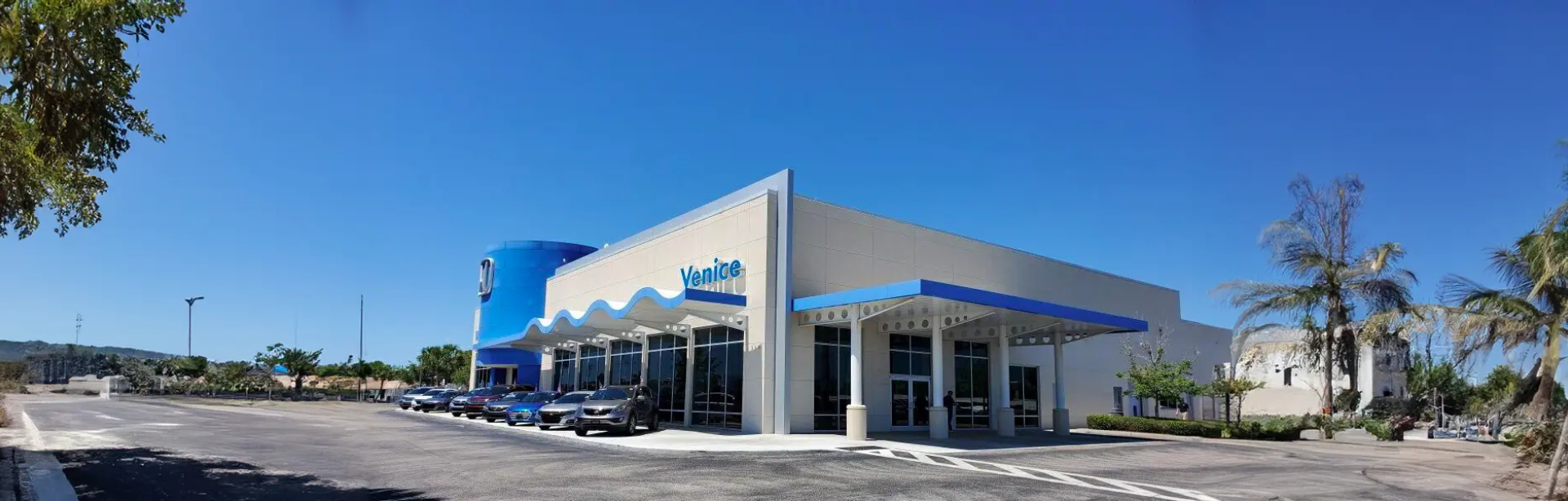
About Venice Honda
Since 2015, Venice Honda has been a trusted resource for drivers in our community. Our commitment to excellence has earned us the prestigious President’s Award for three years in a row in 2021, 2022, and 2023. You can count on our team of Gold and Silver Awarded Sales and Leasing Consultants to provide expert guidance and a smooth car-buying experience. We also offer helpful services like home delivery, extended test drives, and online purchasing to make everything easier for you. From our certified Honda mechanics to our customer-focused sales team, we are dedicated to meeting all your automotive needs.
Related Articles:
The Ultimate Guide to Finding the Best Honda Dealer in Venice, FL
Connect with us

